

big mirror with lights
Water Flow Control Valves Essential Components for Efficient Fluid Management Water flow control valves are pivotal devices in various industrial and residential applications, playing a fundamental role in managing the flow of water or other fluids within a system. These valves help regulate the amount of fluid that passes through pipes, ensuring that processes run smoothly and efficiently, while also contributing to safety and cost-effectiveness. This article delves into the types, functionalities, and significance of water flow control valves. Types of Water Flow Control Valves There are several types of water flow control valves, each designed for specific applications. The most common types include 1. Gate Valves Gate valves are typically used for on/off control. They work by raising or lowering a gate within the valve body, allowing or stopping the flow of water. While they are suitable for isolation, gate valves should not be used for throttling purposes, as they can lead to erosion and damage. 2. Globe Valves Designed primarily for throttling, globe valves have a spherical body shape and an internal baffle that helps control flow rates. They provide excellent regulation and are ideal for maintaining precise flow control in systems requiring more than just on/off functionality. 3. Ball Valves Ball valves utilize a spherical disc to control fluid flow. They are known for their durability, reliability, and quick operation. Ball valves can be fully open or closed, providing a tight seal when closed, which makes them suitable for both isolation and flow control in various applications. 4. Butterfly Valves Butterfly valves consist of a disk that rotates around a central axis. They are lightweight and offer quick operation, making them suitable for large-scale water distribution systems. While they are efficient for on/off control, they can also be used for throttling flow. 5. Check Valves These valves are designed to allow fluid to flow in one direction only. They prevent backflow, which can be critical in systems where reverse flow might cause contamination or damage to equipment. Functions and Applications The primary function of water flow control valves is to manage fluid dynamics within a system. They ensure that the correct amount of water flows to various components, protecting pumps and other machinery from potential damage caused by excess pressure or flow. Applications range widely, including water flow control valve - Irrigation Systems In agriculture, flow control valves ensure optimal water distribution to crops, promoting efficient use of resources while preventing wastage. - HVAC Systems In heating, ventilation, and air conditioning systems, these valves regulate water flow to maintain desired temperatures and enhance comfort within buildings. - Industrial Processes Many manufacturing applications rely on precise flow control of water and other fluids in processes such as cooling, mixing, and chemical reactions . - Municipal Water Supply Water control valves are used in municipal systems for distribution networks, ensuring that water is delivered effectively and safely to homes and businesses. Advantages of Using Water Flow Control Valves Employing flow control valves in water systems brings several advantages 1. Improved Efficiency By regulating flow, these valves optimize water usage, reducing waste and lowering operational costs. 2. Enhanced Safety Control valves help prevent situations such as water hammer or overpressure, which can lead to pipe bursts and costly repairs. 3. Versatility These valves are suitable for a range of fluids and pressures, making them adaptable to various system requirements. 4. Longevity of Equipment Proper flow control helps in reducing the wear and tear on pumps and pipelines, ultimately extending the lifespan of the entire system. Conclusion Water flow control valves are indispensable in modern fluid management systems, facilitating not just the control of water flow but also enhancing the overall efficiency and safety of various applications. Understanding the types and functions of these valves is essential for anyone involved in design, maintenance, or operation of water systems. By incorporating the appropriate valve for specific needs, users can optimize their systems, ensuring a dependable and efficient supply of water across numerous industries.
about
big mirror with lights
Understanding the Dial Bore Gauge A Precision Tool for Measurement The dial bore gauge is an essential instrument used in various industrial and engineering applications for measuring the internal diameter of holes and cylindrical parts accurately. Its design allows for precise dimensional measurements, making it invaluable in quality control, manufacturing, and maintenance processes. In this article, we'll explore the anatomy, functionality, and applications of the dial bore gauge, and why it's a critical tool in ensuring quality in mechanical components. Anatomy of a Dial Bore Gauge At first glance, the dial bore gauge may seem like a simple device, but it consists of several finely tuned parts that work together to provide accurate readings. The primary components include 1. Dial Indicator This is the most visible part of the gauge. It features a graduated dial that displays the measurement, typically in millimeters or inches. The needle or digital readout on the dial indicates the measurement taken. 2. Measuring Rods These rods extend into the bore and are the part that makes initial contact with the internal surface of the hole being measured. They can be adjusted to accommodate different diameters, ensuring versatility. 3. Contact Points These are the ends of the measuring rods that actually touch the interior surface of the cylinder. They are often made from durable materials to withstand wear and ensure longevity. 4. Adjustment Knobs Most dial bore gauges come with knobs that allow the user to calibrate the measuring rods for accurate measurement or to zero the dial indicator before use . How a Dial Bore Gauge Works Using a dial bore gauge is relatively straightforward but requires careful handling to ensure accuracy. First, the user inserts the gauge into the hole that needs measurement. The contact points expand against the walls of the bore until they meet resistance. The measurement is then recorded from the dial indicator, typically represented as a deviation from a set point or baseline diameter. alat ukur dial bore gauge Before taking measurements, it's crucial to calibrate the tool correctly. This often involves setting the indicator to zero when the gauge is at a predefined reference point. This process ensures that any variations from the expected diameter can be accurately captured and reported. Applications of Dial Bore Gauges The dial bore gauge finds its applications in various fields, including 1. Manufacturing In manufacturing plants, ensuring that parts are produced to exact specifications is vital. Dial bore gauges are extensively used to verify the dimensions of machined components, ensuring they fit together properly in assemblies. 2. Automotive Industry In the automotive sector, bore gauges help measure engine cylinder bores, ensuring that components like pistons fit tightly and securely within their respective sleeves. 3. Quality Control Quality assurance teams use dial bore gauges as part of their inspection routines to maintain adherence to engineering specifications and standards, thereby reducing the risk of defects in production. 4. Maintenance In maintenance applications, such as overhauls of engines and machinery, dial bore gauges are used to assess wear over time, identifying when parts need replacement or adjustment. Conclusion The dial bore gauge is a sophisticated yet user-friendly tool that plays a vital role in precision measurement across a wide range of industries. Its reliance on accurate readings makes it indispensable for quality control and assurance in manufacturing processes. Understanding how to properly use and calibrate a dial bore gauge is essential for anyone involved in mechanical engineering or production, as it directly influences the quality and reliability of the finished product. As industries continue to evolve towards greater automation and precision, the dial bore gauge will remain a cornerstone of accurate measurement in engineering and manufacturing.
-

High quality industrial productsagement

High quality industrial products
View Details -

Meet the diverse needs of customers

Meet the diverse needs of customers
View Details -

Strict quality control

Strict quality control
View Details -

Top raw materials

Top raw materials
View Details -

Trusted supplier

Trusted supplier
View Details
Our application


news and information

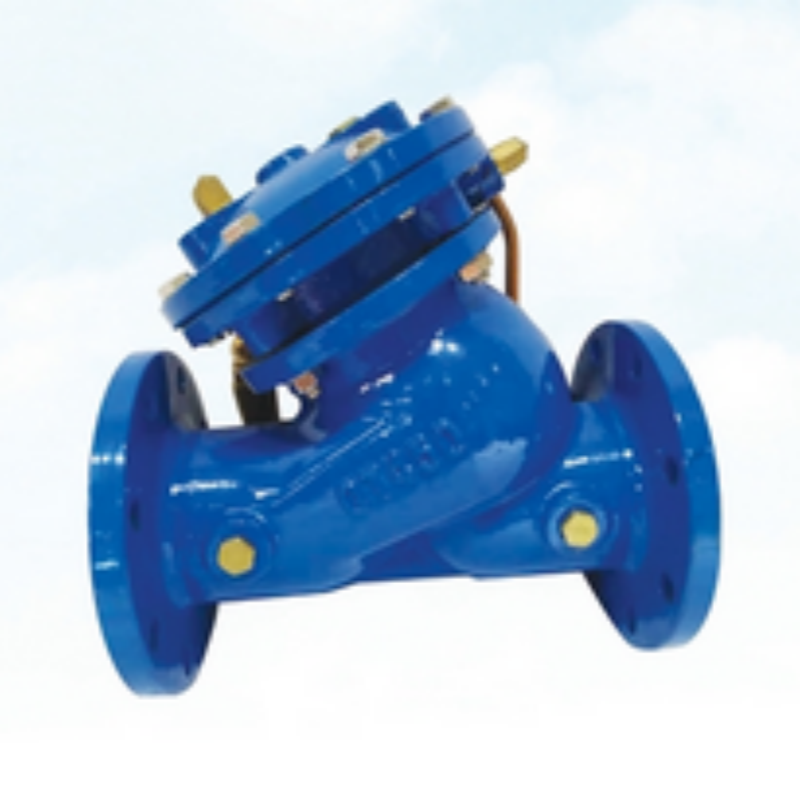
Válvula Strainer Tipo Y - Proteção Eficiente para Sistemas de Tubulação
Válvula de Strainer do Tipo Y Importância e Aplicações As válvulas de strainer, conhecidas também co
Van cổng 6 inch giá
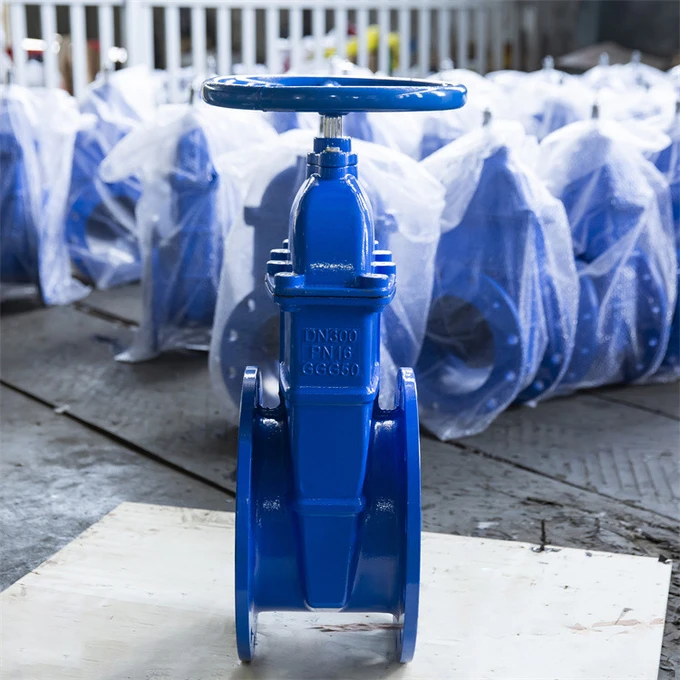
Giá van cổng 6 inch Một số thông tin cần biết Van cổng là một trong những thiết bị quan trọng trong
Versatile Thread Gauge for Precision Measurement and Adjustability in Mechanical Applications
Understanding Adjustable Thread Gauges A Tool for Precision Measurement In the world of engineering
 English